What to Expect from Firearm Transfers in CT: A Local's Guide


Firearm transfers in Connecticut can be a complex process, but understanding the steps involved can make it much more manageable. Whether you're buying, selling, or transferring a firearm, knowing what to expect can help ensure a smooth transaction.
Understanding Firearm Transfers
In Connecticut, firearm transfers are regulated to ensure safety and compliance with state laws. A firearm transfer involves legally transferring ownership of a gun from one individual to another. This can occur through private sales, gifts, or transfers through a licensed dealer.
The Role of Licensed Dealers
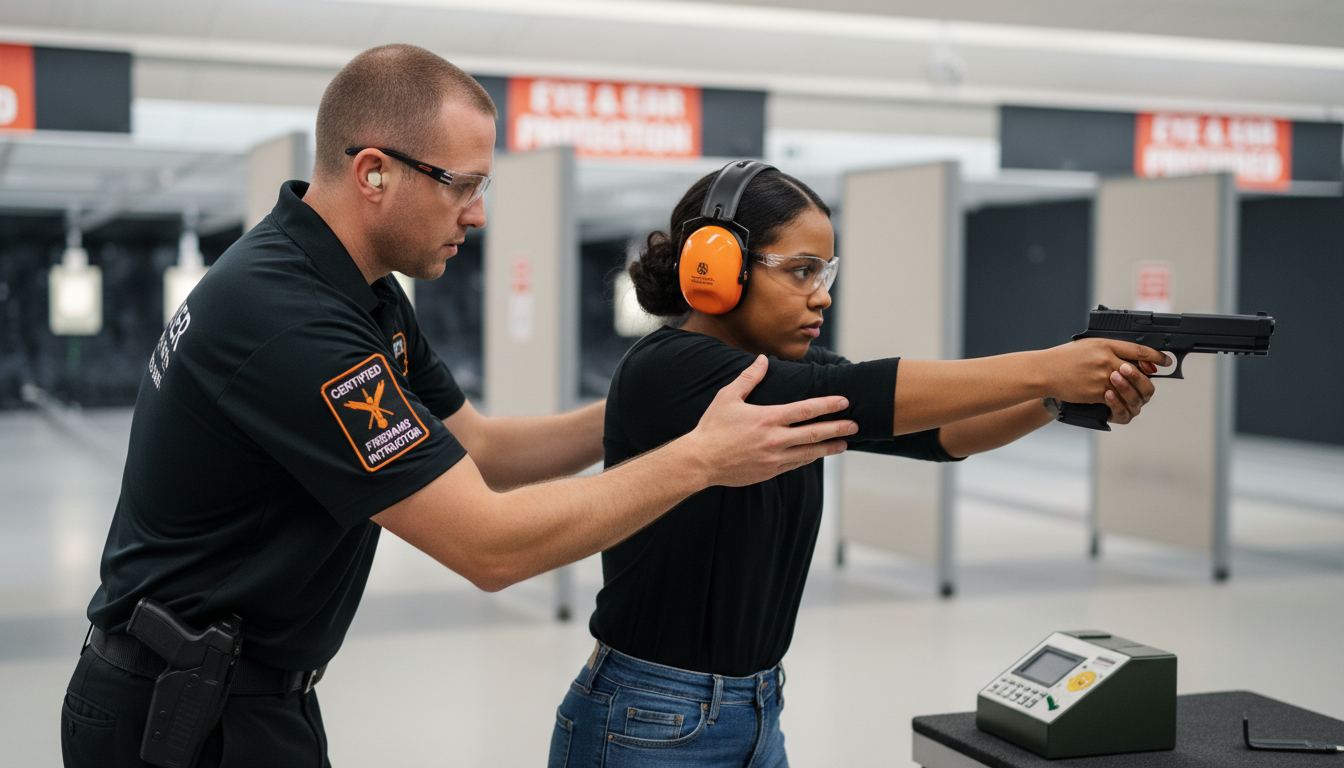
Licensed dealers play a crucial role in the firearm transfer process. They conduct background checks and ensure all paperwork complies with state and federal regulations. When transferring a firearm through a dealer, expect to complete several forms and provide identification.
Dealers charge a fee for their services, which can vary. It's wise to contact the dealer beforehand to understand their specific requirements and fees.
Background Checks
Background checks are a mandatory part of the firearm transfer process in Connecticut. These checks are conducted to ensure the buyer or transferee is legally eligible to own a firearm. The Connecticut State Police facilitate these checks, which typically include criminal history and mental health evaluations.
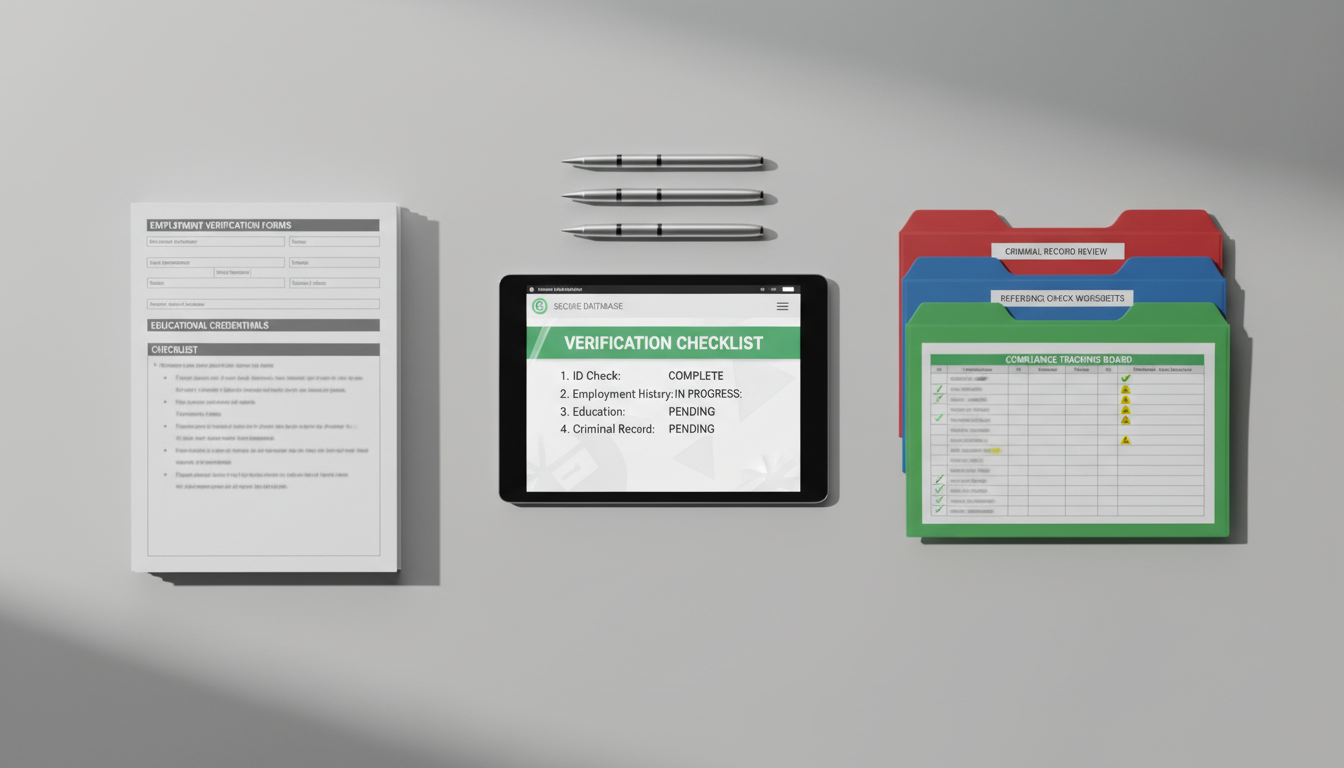
It's important to note that background checks apply to all transfers, including private sales and gifts. Failing to conduct a background check can result in legal penalties for both parties involved.
Private Sales and Transfers
Private sales and transfers are allowed in Connecticut, but they must adhere to strict guidelines. Both parties must meet in person, and the transfer must go through a licensed dealer who will handle the necessary background check and paperwork.
- Both parties must be at least 21 years old.
- The seller must ensure the buyer has a valid permit or eligibility certificate.
- All transactions must be documented and reported to the state police.
Special Considerations
Connecticut has specific laws regarding the transfer of certain types of firearms, such as assault weapons and high-capacity magazines. These items have additional restrictions and may require special permits or documentation. Always research specific state laws or consult a legal expert when dealing with these items.
Transferring Firearms as Gifts
Transferring firearms as gifts follows the same legal requirements as sales. The recipient must be eligible to own a firearm, and the transfer must go through a licensed dealer. This ensures all legal obligations are met and the process remains transparent.
Conclusion
Firearm transfers in Connecticut require careful attention to legal requirements and procedures. By understanding the role of licensed dealers, the necessity of background checks, and the specific laws governing different types of firearms, you can ensure a smooth and compliant transfer process.
For those unfamiliar with the process, consulting with a legal expert or licensed dealer can provide additional guidance and peace of mind. Being informed and prepared is the key to a successful firearm transfer in Connecticut.