Understanding Firearms Sales Regulations in CT


Introduction to Firearms Sales Regulations in CT
Understanding the regulations surrounding firearms sales in Connecticut is crucial for both buyers and sellers. These laws are designed to ensure the safety of residents while respecting the rights of individuals to purchase firearms legally. In this post, we'll explore the key elements of these regulations and what they mean for you.

Who Can Purchase Firearms?
In Connecticut, eligibility to purchase firearms is determined by several factors. Buyers must be at least 21 years old to purchase a handgun and 18 years old for a long gun. Additionally, they must hold a valid state-issued permit or eligibility certificate. This ensures that all buyers have undergone the necessary background checks and safety training.
It's important to note that individuals with certain criminal convictions, mental health issues, or restraining orders are prohibited from purchasing firearms. These restrictions are intended to prevent firearms from falling into the wrong hands.
Required Permits and Certifications
To legally purchase a firearm in Connecticut, buyers must obtain a Pistol Permit, Eligibility Certificate for Pistols and Revolvers, or a Long Gun Eligibility Certificate. The process involves completing a safety course, passing a background check, and submitting fingerprints for identification.
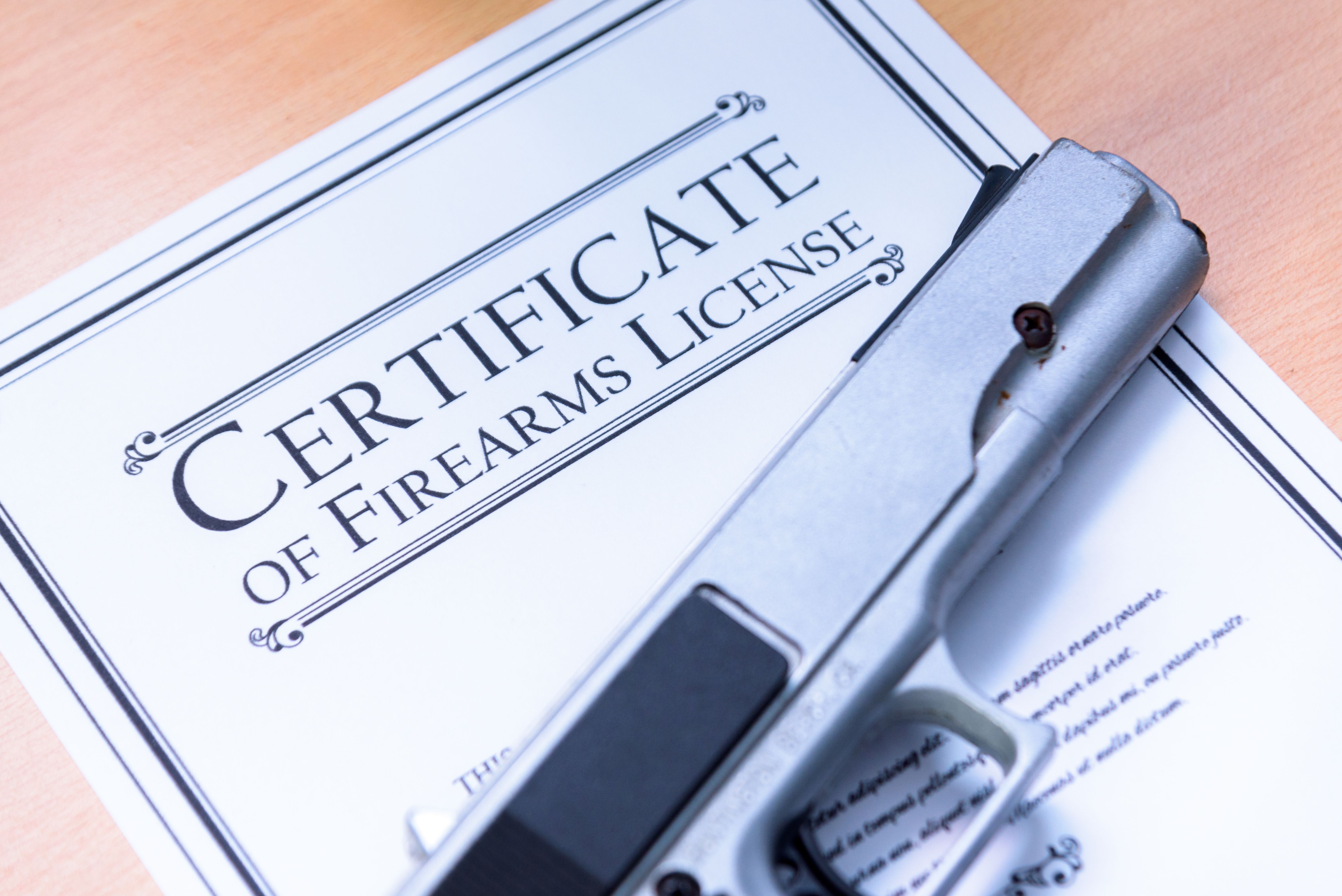
These permits not only allow for the purchase of firearms but also for the carrying of pistols or revolvers. Staying informed about the expiration dates and renewal process of these permits is essential to maintaining legal compliance.
Background Checks and Waiting Periods
Connecticut law mandates comprehensive background checks for all firearm purchases. This includes sales from licensed dealers and private transactions. The goal is to ensure that all buyers meet the legal requirements before taking possession of a firearm.
There is also a mandatory waiting period for handgun purchases. This waiting period allows for thorough background checks and gives buyers time to consider their purchase decision carefully.

Dealer Regulations and Responsibilities
Licensed firearms dealers in Connecticut must adhere to strict regulations. They are required to maintain accurate sales records, conduct background checks, and ensure that all transactions comply with state and federal laws. Dealers also have a responsibility to educate buyers on safe firearm handling and storage practices.
Failure to comply with these regulations can result in severe penalties, including fines and revocation of the dealer's license. Therefore, understanding and following these rules is crucial for anyone involved in the sale of firearms.
Conclusion
Connecticut's firearms sales regulations are designed to balance individual rights with public safety. By understanding and adhering to these laws, both buyers and sellers can ensure that they are contributing to a safer community. Staying informed and compliant with these regulations is not just a legal obligation but a social responsibility.