Understanding Firearm Transfers in Connecticut: A Step-by-Step Guide


Introduction to Firearm Transfers in Connecticut
Understanding firearm transfers in Connecticut is crucial for both buyers and sellers. The state has specific regulations designed to ensure safety and compliance with the law. This guide will help you navigate the process step by step, ensuring a smooth and legal transaction.
Understanding the Legal Framework
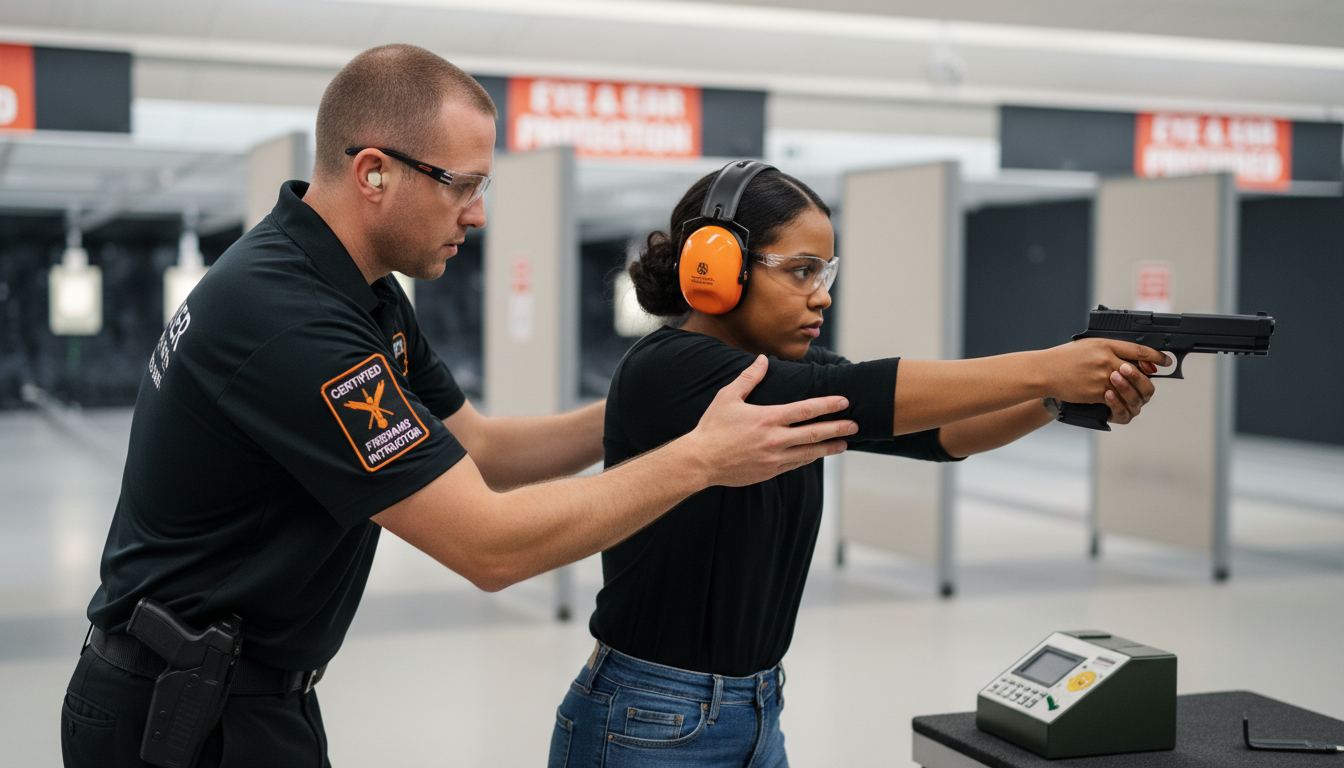
In Connecticut, the transfer of firearms is governed by state laws that require background checks and proper documentation. Whether you are purchasing from a licensed dealer or through a private sale, ensuring compliance with these laws is essential to avoid potential legal issues.
The state mandates that all firearm transfers, with few exceptions, must be documented through the Department of Emergency Services and Public Protection (DESPP). The process ensures that only eligible individuals are able to purchase firearms.
Steps for Purchasing from a Licensed Dealer
Purchasing a firearm from a licensed dealer in Connecticut involves several key steps:
- Choose a licensed firearm dealer and select the firearm you intend to purchase.
- Complete the necessary paperwork, which includes a federal background check.
- Wait for approval from the National Instant Criminal Background Check System (NICS).
- Once approved, finalize the purchase and take possession of the firearm.
Private Sales and Transfers
Private sales and transfers in Connecticut require additional steps to ensure compliance. Both the buyer and seller must adhere to state regulations, which include:
- Ensuring that both parties have valid firearm permits.
- Completing the necessary paperwork through DESPP.
- Waiting for approval before the transfer can be completed.
Failure to comply with these requirements can result in legal consequences for both parties involved in the transfer.
Special Considerations for Long Guns and Handguns
Connecticut distinguishes between long guns and handguns, with specific regulations for each. For handguns, a pistol permit is required, while long guns require either a long gun eligibility certificate or a valid hunting license.
Understanding these distinctions is crucial for ensuring compliance with state laws and avoiding potential legal issues.
Record Keeping and Compliance
Both buyers and sellers are responsible for maintaining records of firearm transfers. This includes keeping copies of all paperwork and approvals. Proper record keeping helps ensure accountability and compliance with state regulations.
It's advisable to periodically review these records to ensure all documentation is complete and up to date. This practice can be beneficial in the event of any legal inquiries or audits.
Conclusion
Navigating firearm transfers in Connecticut requires attention to detail and a thorough understanding of state laws. By following the steps outlined in this guide, you can ensure a smooth and compliant transaction. Always prioritize safety and legality when involved in firearm transfers.