Understanding Firearm Transfer Regulations in CT: A Step-by-Step Guide


Introduction to Firearm Transfer Regulations in Connecticut
Understanding firearm transfer regulations in Connecticut is crucial for both gun owners and those considering purchasing a firearm. The state has specific laws in place to ensure the safe and legal transfer of firearms, and knowing these can help you navigate the process smoothly.
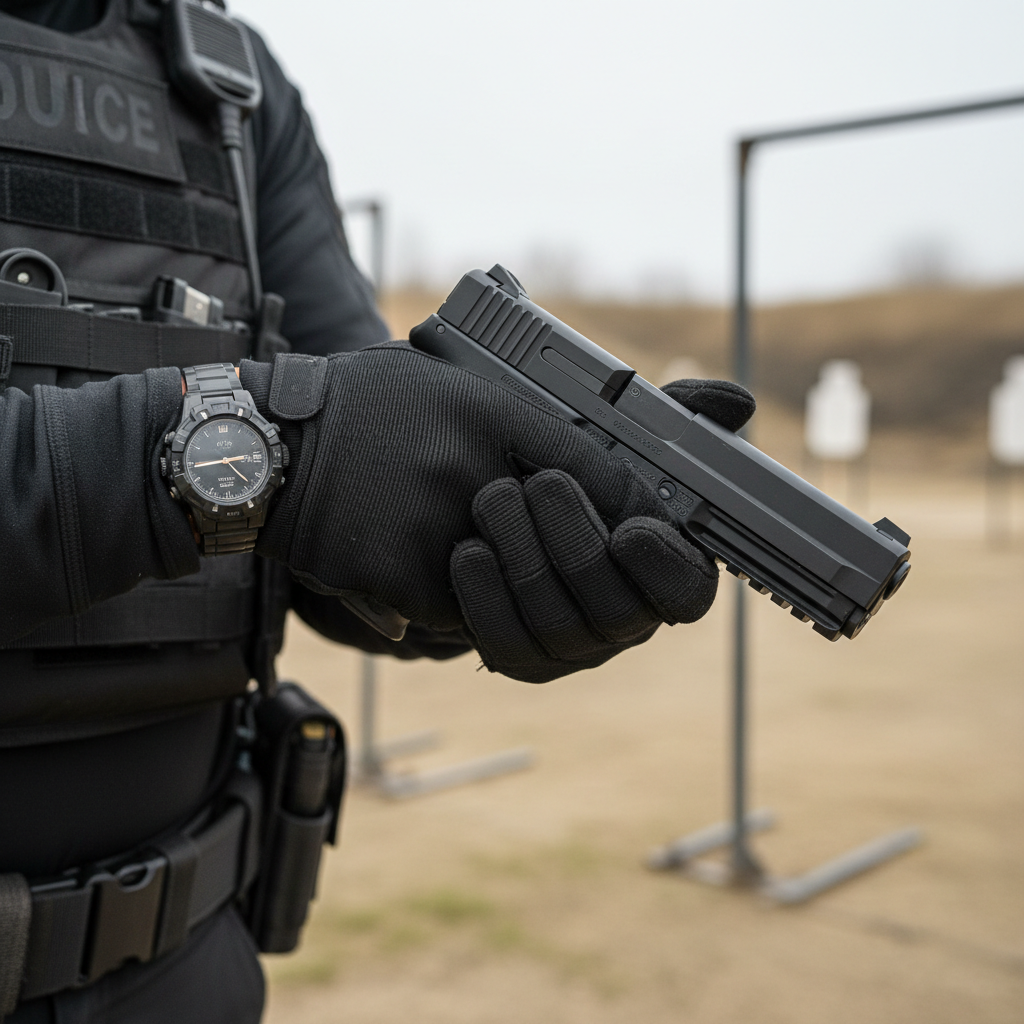
Connecticut's Permit Requirements
In Connecticut, a valid permit is required to purchase a firearm. This includes both handguns and long guns. To obtain a permit, applicants must meet several criteria, including age restrictions and background checks. Ensuring you have the necessary permits before attempting a transfer is essential.
There are two main permits to consider:
- Eligibility Certificate for Pistols and Revolvers
- Long Gun Eligibility Certificate
Background Checks and Waiting Periods
Before any firearm transfer can occur, a comprehensive background check is mandatory. This process is designed to prevent firearms from falling into the wrong hands. The background check is conducted through a federally licensed firearms dealer, who will ensure compliance with state and federal laws.
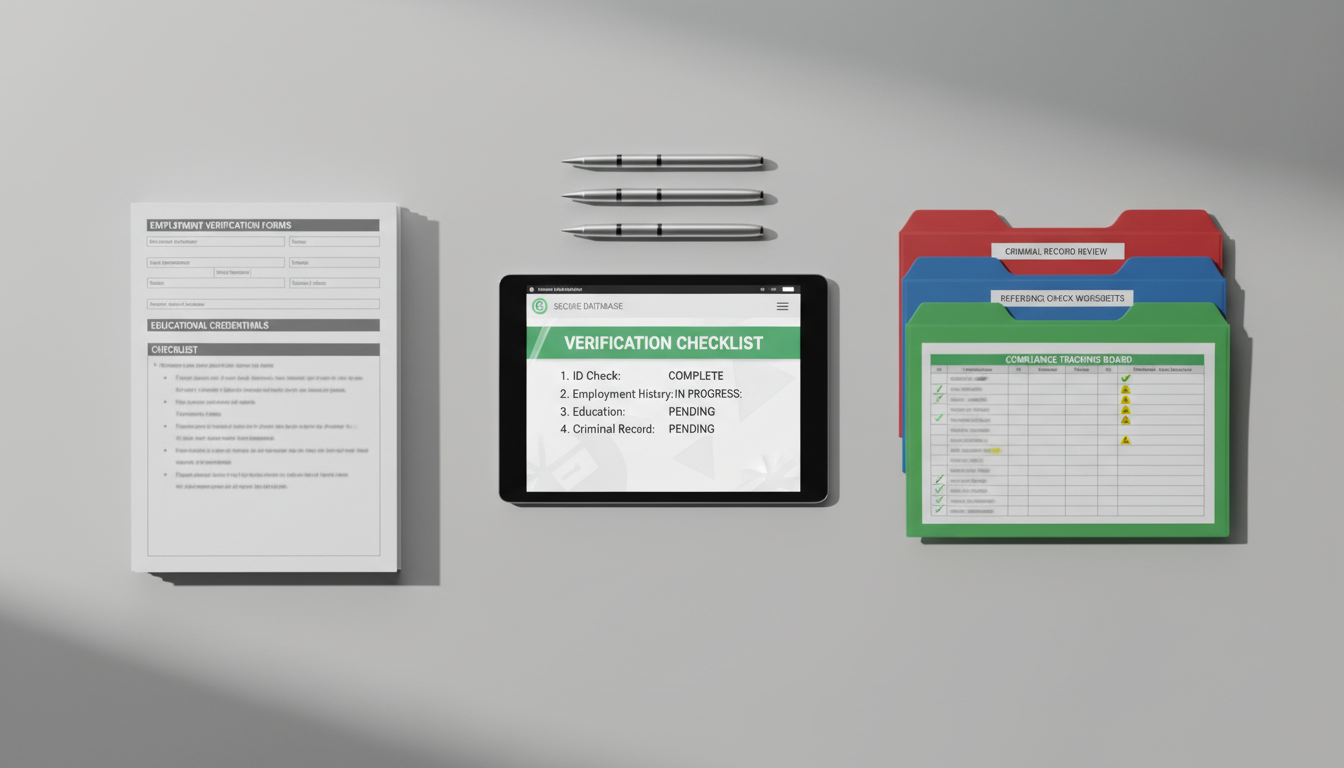
In addition to background checks, Connecticut enforces a waiting period for firearm transfers. This period allows for thorough processing and verification of all necessary documentation.
Private Sales and Transfers
Private sales in Connecticut are also subject to strict regulations. Both parties involved in a private sale must comply with state laws, including completing the necessary paperwork and ensuring a background check is performed. It's crucial to follow these steps to avoid legal complications.
If you're involved in a private transaction, remember to:
- Verify the buyer's permit and identification.
- Complete the required transfer forms.
- Submit the paperwork to the Department of Emergency Services and Public Protection.

Transferring Firearms to Family Members
Transferring firearms to family members in Connecticut follows a specific set of guidelines. While the process is somewhat simplified, it still requires adherence to state laws. Family transfers must be documented, and both parties must have the appropriate permits.
Key Considerations for Family Transfers
When transferring a firearm to a family member, consider the following:
- Ensure both parties hold valid permits.
- Complete and file the necessary documents.
- Retain copies of all submitted forms for your records.
Conclusion
Understanding and following firearm transfer regulations in Connecticut is essential for legal compliance and safety. By being informed and prepared, you can ensure that all transactions are conducted responsibly. Always consult legal experts or law enforcement if you have questions about specific circumstances.