Top Considerations for Firearm Transfers in Connecticut


Understanding Firearm Transfer Laws in Connecticut
When it comes to transferring firearms, Connecticut has some of the most stringent laws in the United States. Whether you're buying, selling, or simply transferring ownership, it's crucial to understand the state's regulations to ensure compliance and avoid legal issues. This guide outlines the top considerations for firearm transfers in Connecticut.
Eligibility Requirements
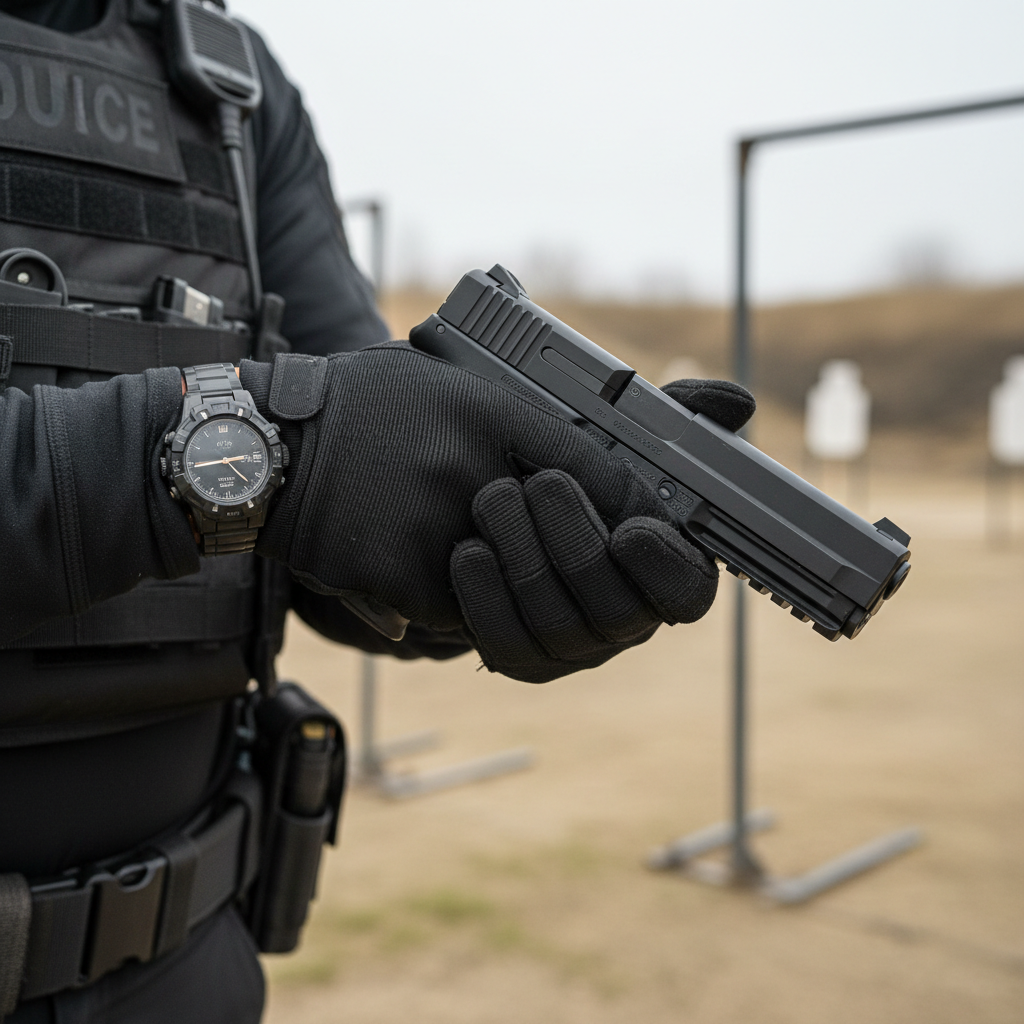
Before engaging in any firearm transfer, it's essential to confirm that both the buyer and seller meet specific eligibility criteria. In Connecticut, individuals must have a valid pistol permit, eligibility certificate, or a long gun eligibility certificate to purchase or transfer firearms. Additionally, the transferee must be at least 21 years old for handguns and 18 for long guns.
Background Checks
One of the most critical steps in a firearm transfer is conducting a background check. Connecticut mandates that all transfers, including private sales, go through the National Instant Criminal Background Check System (NICS). This ensures that firearms do not fall into the hands of individuals prohibited from owning them.
Transfer Procedures
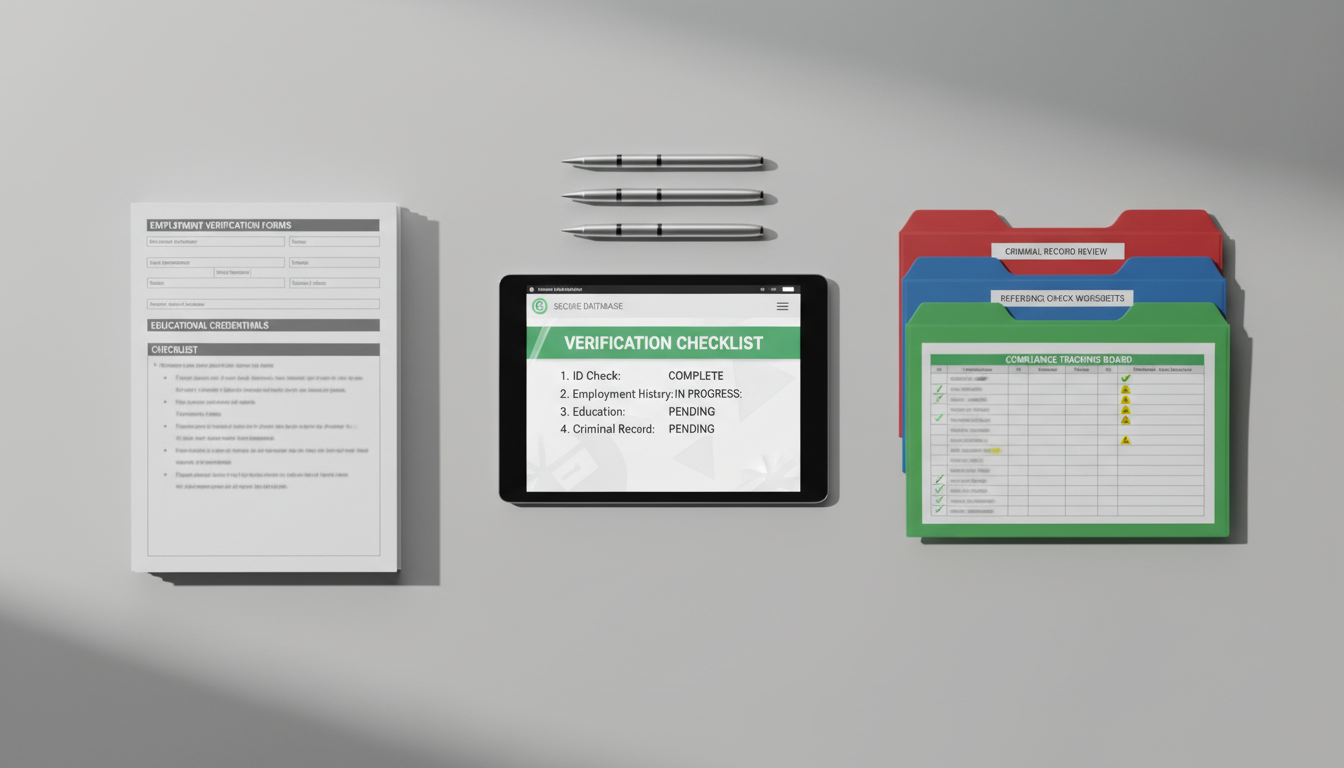
In Connecticut, firearm transfers must be completed through a federally licensed firearms dealer (FFL). The dealer will facilitate the transfer by conducting the necessary background checks and ensuring all paperwork is accurately completed. It's important to keep records of the transfer for your protection.
- Verify both parties' eligibility.
- Complete NICS background check.
- Use a licensed firearms dealer for the transfer.
Documentation and Registration
Proper documentation is a key part of any firearm transfer. In Connecticut, a DPS-3-C form must be completed for all transfers, and a copy must be submitted to the Department of Emergency Services and Public Protection within 48 hours. Keeping a personal copy is also recommended.

Understanding Exceptions
While most transfers require the involvement of an FFL, there are exceptions. Transfers between immediate family members, such as spouses or parents to children, do not require an FFL but still necessitate a background check and appropriate documentation.
Penalties for Non-Compliance
Failure to comply with Connecticut’s firearm transfer laws can result in severe penalties, including fines and imprisonment. Understanding and following the legal requirements is crucial to avoid these consequences. Always ensure you are informed and prepared before proceeding with any transfer.

Conclusion
Transferring firearms in Connecticut involves navigating a complex set of laws designed to promote safety and accountability. By understanding and adhering to these regulations, both buyers and sellers can ensure a smooth and legal transfer process. Always consult with legal professionals or firearms experts if you have any questions or concerns.