Myths About Gun Ownership in Connecticut: What’s True and What’s Not


Understanding Gun Ownership in Connecticut
Gun ownership laws can vary significantly from one state to another, and Connecticut is no exception. With its own set of regulations, myths and misunderstandings often arise about what is permissible and what isn't. This post aims to clarify some common myths about gun ownership in Connecticut, separating fact from fiction.
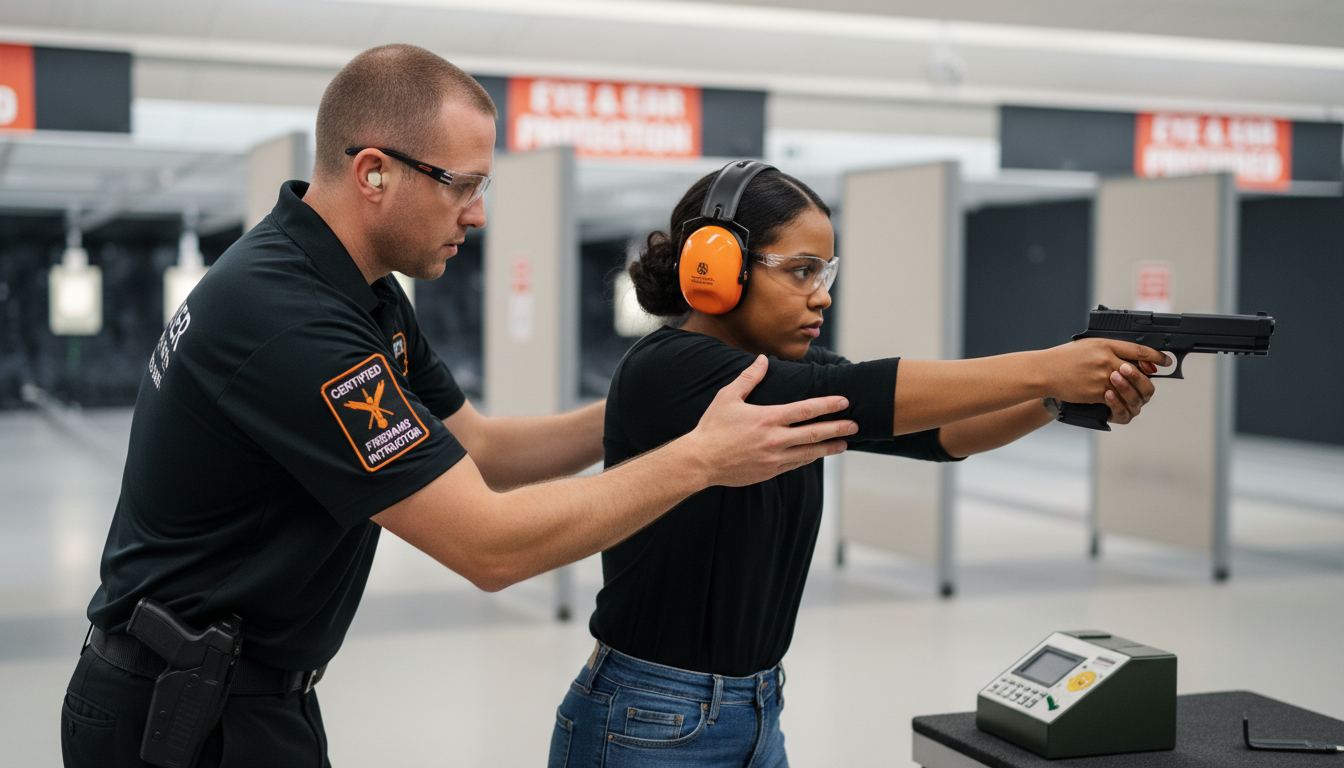
Myth 1: Gun Ownership is Prohibited in Connecticut
A prevalent myth is that gun ownership is completely prohibited in Connecticut. This is false. While Connecticut does have strict gun control laws, it does not outright ban gun ownership. Residents can legally purchase and own firearms, provided they comply with state regulations, such as obtaining a permit and passing background checks.
Myth 2: All Guns Must Be Registered
Another common misconception is that all firearms must be registered with the state. In reality, Connecticut requires registration only for certain types of firearms, such as assault weapons. Handguns and long guns do not require registration, although a permit is necessary for purchase and carry.

Permit Requirements and Processes
Connecticut has a rigorous permitting process, which includes mandatory safety training, fingerprinting, and background checks. Understanding these requirements is crucial for prospective gun owners.
Myth 3: Permits Are Impossible to Obtain
Some believe that obtaining a gun permit in Connecticut is nearly impossible. While the process is thorough, it is not insurmountable. Applicants who meet the legal requirements and complete the necessary steps can successfully acquire a permit to purchase and carry firearms.
Concealed Carry Myths
The regulations around concealed carry often lead to confusion. Connecticut issues concealed carry permits, but there are specific rules and restrictions in place.
Myth 4: Concealed Carry is Outlawed
This myth is incorrect. While Connecticut does not allow open carry without a permit, residents can carry concealed weapons if they possess a valid pistol permit. The process involves background checks and meeting eligibility criteria, but it is certainly permitted under state law.
- Complete safety training course
- Submit fingerprints
- Pass background checks
Conclusion: Separating Fact from Fiction
Understanding the myths and truths about gun ownership in Connecticut is essential for both current and prospective gun owners. By dispelling these myths, residents can better navigate the legal landscape and exercise their rights responsibly. Always refer to the latest state guidelines to ensure compliance with Connecticut's firearm laws.