Debunking Common Firearm Myths: FAQs Answered by Professionals


Understanding Firearm Myths
Firearms are often surrounded by myths and misconceptions that can lead to misunderstandings. To help clear up some of the confusion, we’ve consulted with professionals to debunk common myths about firearms. Understanding these myths can empower individuals to make informed decisions and engage in responsible gun ownership.
Myth 1: Guns Are Always Loaded
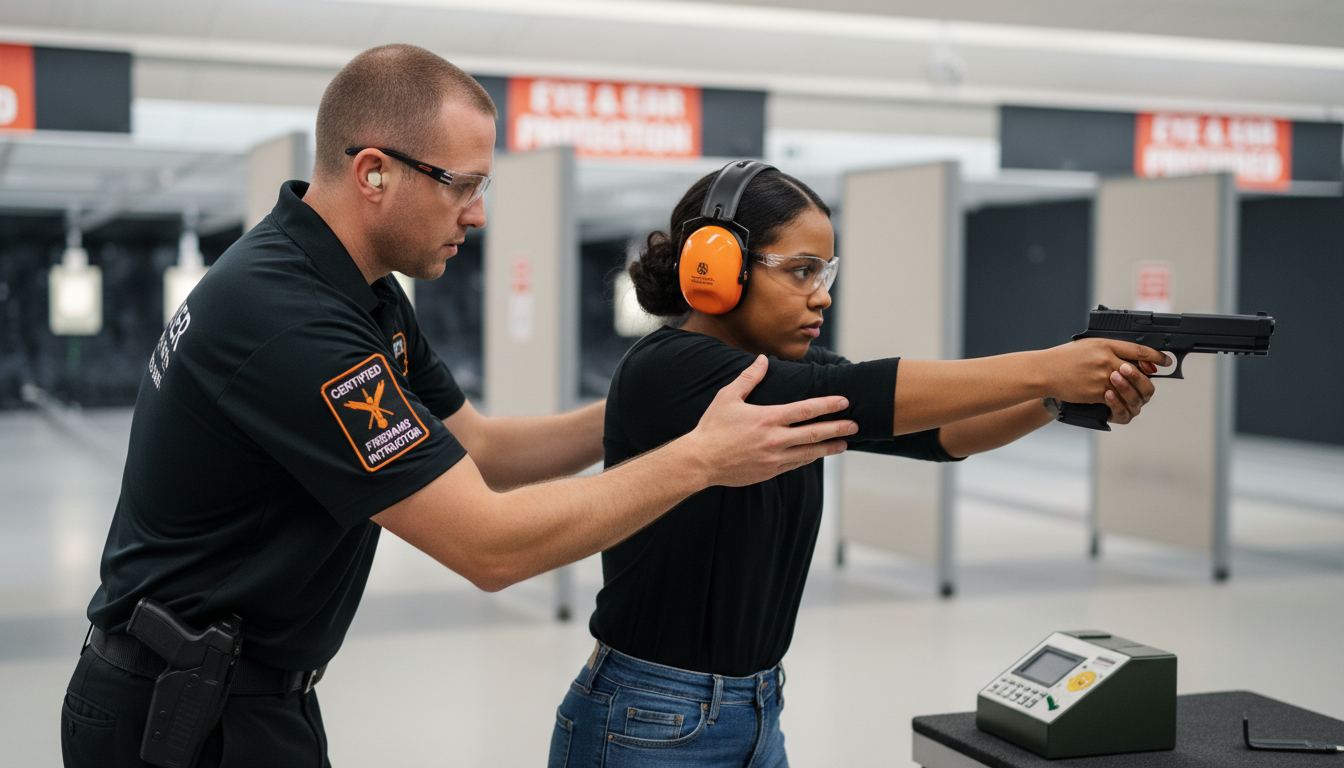
One of the most prevalent myths is that all guns are always loaded. While it is a crucial safety practice to treat every firearm as if it is loaded, this is not literally true. Responsible gun owners should always check the status of their firearms. Proper handling and storage are key to ensuring safety and preventing accidents.
Myth 2: Gun Ownership Leads to Increased Crime
A common belief is that more guns lead to more crime. However, studies have shown that gun ownership does not directly correlate with higher crime rates. Crime is influenced by a variety of factors, including socioeconomic conditions and law enforcement effectiveness. Understanding these complexities is essential for an informed discussion on firearm policies.

The Role of Training and Education
Proper training and education play a vital role in debunking firearm myths. Through comprehensive training programs, individuals can learn the importance of safety, handling, and responsible ownership. Many organizations offer courses that cover everything from basic handling to advanced shooting techniques.
Myth 3: Only Professionals Can Handle Firearms Safely
Some people believe that only law enforcement or military personnel can safely handle firearms. This is not true. With proper training and practice, anyone can learn to handle firearms safely. Many civilian courses are designed to provide this essential knowledge and skill set to the public.
Myth 4: Firearms Are Only for Self-Defense
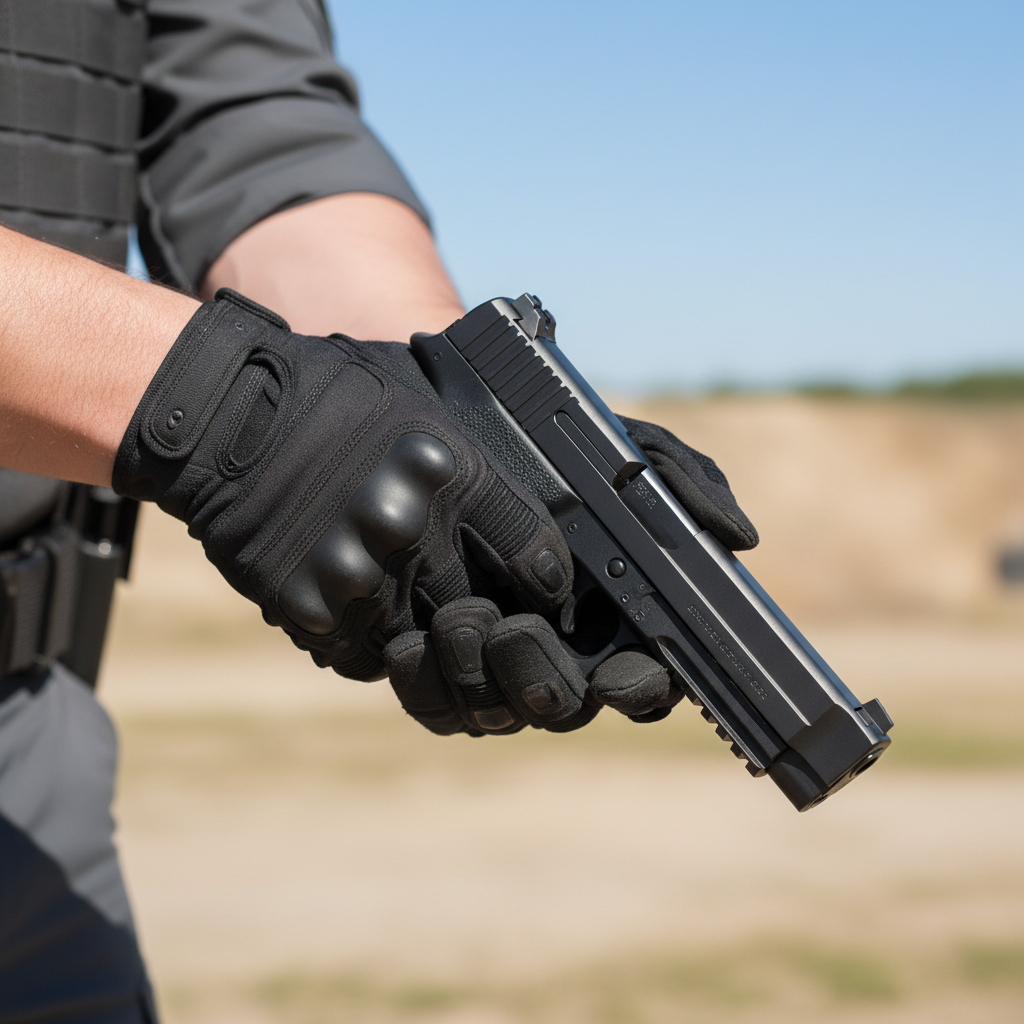
While self-defense is a common reason for owning a firearm, many people enjoy firearms for recreational purposes such as hunting and sport shooting. These activities require discipline and responsibility, contributing to a positive and educational experience with firearms.
Conclusion: Promoting Responsible Ownership
Debunking these myths helps promote responsible firearm ownership and encourages informed decision-making. By understanding the realities of firearms, individuals are better equipped to handle them safely and responsibly. Whether for self-defense, recreation, or collecting, responsible ownership begins with education and awareness.